Distributed computing architectures and foundational data networking
In computer networking, a network is a system of interconnected computers and devices that share resources and communicate with each other. The underlying conceptual model of computer networking revolves around the idea of nodes, which are the devices that connect to the network, and links
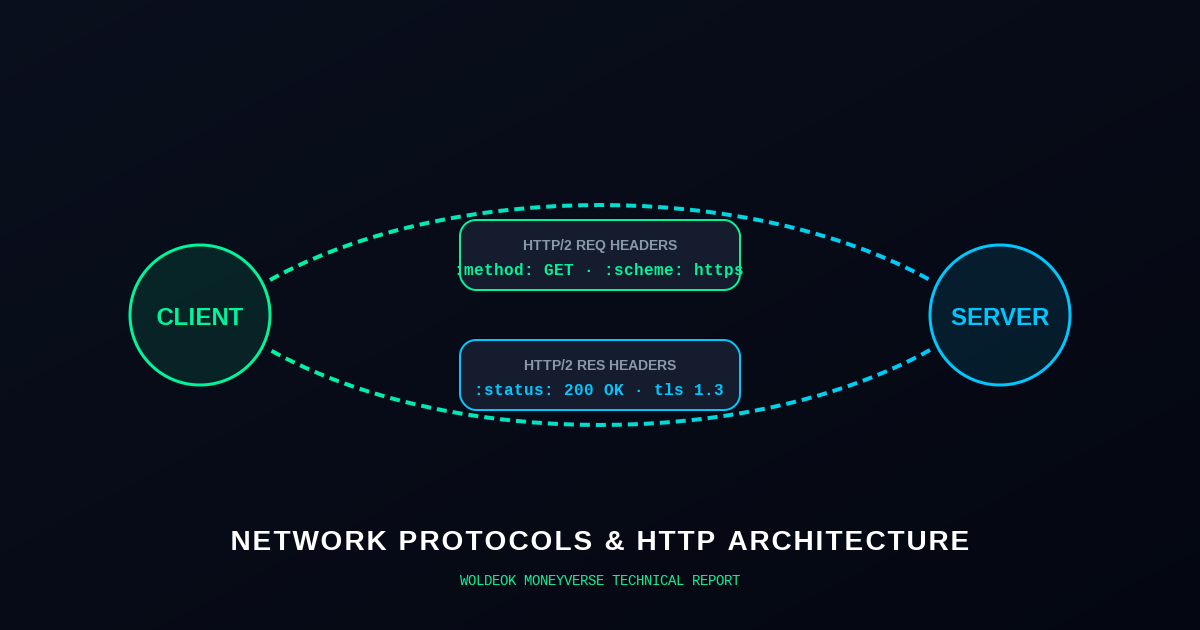
Core concepts
In computer networking, a network is a system of interconnected computers and devices that share resources and communicate with each other. The underlying conceptual model of computer networking revolves around the idea of nodes, which are the devices that connect to the network, and links, which are the connections between these nodes. This model is further supported by the concept of a network layer, which is responsible for routing data packets from their source to their destination across different networks. Essentially, this layer ensures that data is transmitted accurately and efficiently, even when it travels through multiple networks and devices. Another crucial component is the transport layer, which manages the delivery of data packets between applications on different devices, ensuring that data is delivered in the correct order and without errors. Together, these layers form the foundation of how data is transmitted and received across a network, enabling the seamless exchange of information between devices.
How it works
Computer networking mechanisms are essential for enabling communication between different devices and systems across a network. These mechanisms operate by establishing connections between devices, allowing them to exchange data. For instance, when you browse the web, your device sends requests to a server, which then sends back the requested webpage. This exchange of data is facilitated by protocols such as HTTP, which defines how devices should communicate with each other. Another key mechanism is the use of IP addresses, which are like unique identifiers for devices on a network. These IP addresses allow devices to find and connect with each other, ensuring that data is sent to the correct destination. Essentially, without these networking mechanisms, devices would not be able to communicate effectively, leading to a fragmented and uncoordinated system.
Interacting parts
In computer networking, components interact through protocols and interfaces to ensure data is transmitted accurately and efficiently. For instance, when a client sends a request to a server, the client-server protocol like HTTP is used to establish a connection. This protocol specifies how the client and server exchange data. Once connected, the server might use a database protocol to retrieve information from a database, ensuring that the data is consistent and up-to-date. The server then uses another protocol, such as TCP, to send the data back to the client. On the client side, the browser's rendering engine interacts with the HTML, CSS, and JavaScript to display the data correctly, interpreting the markup, applying styles, and executing scripts to dynamically change the page content. Each of these components plays a crucial role in the seamless interaction that forms the backbone of web applications.
Security is another critical aspect of this interaction. Protocols like HTTPS are employed to secure data in transit, preventing eavesdropping and tampering. For example, when a user logs into a website, the browser sends credentials to the server over HTTPS, ensuring that the data is encrypted and protected from interception. Similarly, cookies are used to maintain user sessions securely, allowing the server to recognize the user and tailor the experience accordingly. These interactions highlight how various components must work together to provide a robust and secure network environment.
Illustrative explanation
When setting up a network at home, you might use a router to connect multiple devices like computers and smartphones to the internet. The router acts as a central hub, broadcasting internet signals to every device connected to it. For instance, if you have a router with a wireless signal strength of 500 feet, you can place it in the center of your house and ensure that all rooms receive a strong internet connection. This setup allows devices to connect without needing to be directly connected by cables, making it convenient for users to access the internet from any room.
Another example involves setting up a network for a small business. In this scenario, you would need to ensure that all computers, printers, and other devices can communicate with each other and with the internet. This might involve setting up a network switch, which is like a traffic director for your network. It connects all devices together and allows them to share files, printers, and internet access. By connecting all devices to the switch, you create a network that can handle more traffic and is easier to manage compared to a system where each device is connected directly to the router.
Common misconceptions
In computer networking, terms like "protocol" and "interface" are often misunderstood. A protocol is a set of rules that governs how data is transmitted between devices, ensuring that messages arrive correctly. An interface, on the other hand, is a point of contact between two systems, like a network card in a computer that connects to a network. A common misconception is that a protocol is the same as an interface. In reality, a protocol is the set of rules used by the interface to communicate, ensuring that data is transmitted and received accurately.
Another area of confusion is the difference between "bandwidth" and "throughput". Bandwidth refers to the maximum amount of data that can be transmitted over a network in a given period, typically measured in bits per second. Throughput, on the other hand, is the actual amount of data that successfully passes through a network, which can be less than the bandwidth due to factors like congestion and errors. Understanding these terms correctly is crucial for managing network performance effectively.
Misconceptions also arise when discussing "firewalls". Firewalls are security devices that monitor and control network traffic based on predetermined security rules. They are not the same as antivirus software, which is designed to detect and remove malicious software. Firewalls are essential for protecting networks from unauthorized access but do not replace the need for antivirus software, which is vital for detecting and eliminating threats like viruses and malware.
Lastly, the concept of "network segmentation" is often not fully grasped. It involves dividing a network into smaller, more secure segments to limit the spread of any security breaches. This is different from simply connecting devices directly to each other without any segmentation. Proper network segmentation can significantly enhance security and manageability, but it requires careful planning and implementation to be effective.
Official primary source
https://developer.mozilla.org/en-US/docs/Web/HTTP/Guides/CORS/Errors/CORSOriginHeaderNotAdded