Structural analysis of internet protocols and packet transmission flows
In the context of computer networking, the Access-Control-Allow-Methods header is a crucial component of Cross-Origin Resource Sharing (CORS), a security mechanism that helps prevent malicious users from making requests to a server that they are not authorized to access. This header inform
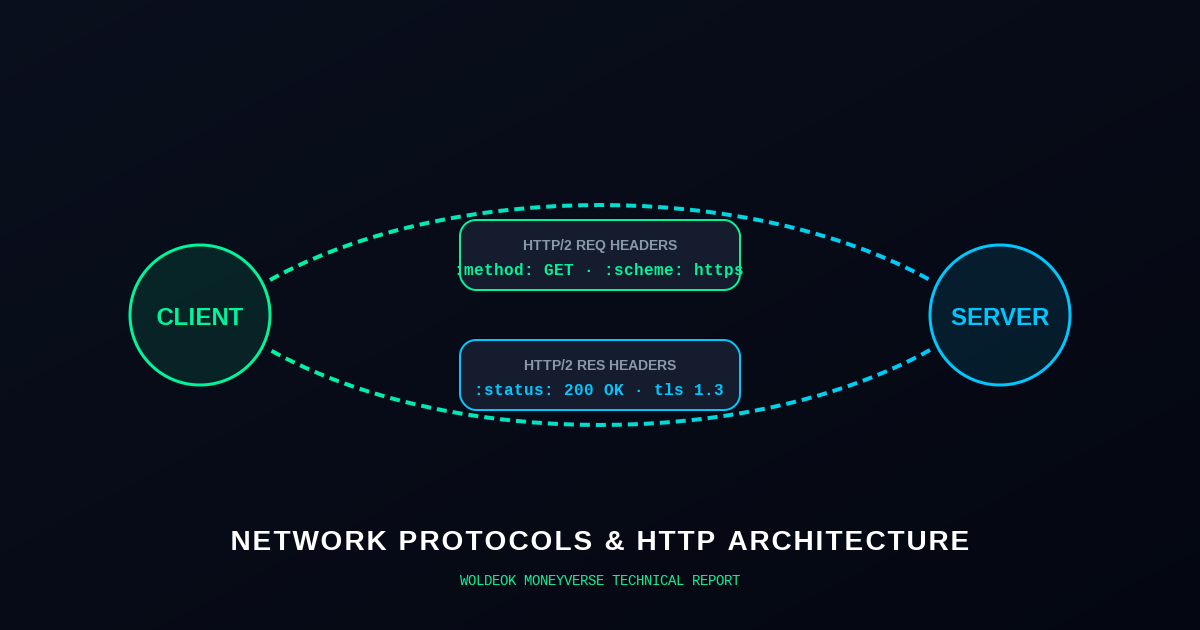
Core concepts
In the context of computer networking, the Access-Control-Allow-Methods header is a crucial component of Cross-Origin Resource Sharing (CORS), a security mechanism that helps prevent malicious users from making requests to a server that they are not authorized to access. This header informs the client about the HTTP methods that the server allows for requests originating from a different domain. For instance, if a server supports both GET and POST requests, it would include "GET, POST" in the Access-Control-Allow-Methods header. If a client attempts to send a request using a method not listed, such as PUT or DELETE, it triggers a CORS error. This error occurs because the client does not recognize these methods, leading to the invalid token 'xyz' in the CORS header 'Access-Control-Allow-Methods'. The issue is typically resolved by the server, which should update its CORS configuration to include only valid HTTP methods. Additionally, ensuring that the client's software is up-to-date can also help mitigate such issues, as newer versions might support more HTTP methods.
When a client sends a request to a server, it includes the Access-Control-Allow-Methods header in its preflight OPTIONS request to understand what methods the server accepts. If the server incorrectly lists a method that the client does not recognize, the client will not be able to proceed with the actual request, leading to a CORS error. This error is a common issue in web development, especially when dealing with cross-origin requests. To resolve this, the server must correct its CORS configuration to include only the methods it actually supports. It's also beneficial to ensure that the client's environment is up-to-date, as newer versions of browsers and libraries might support additional HTTP methods.
How it works
In computer networking, a mechanism known as Cross-Origin Resource Sharing (CORS) is used to allow web browsers to make requests to a server from a different domain than the one the browser is currently on. This mechanism is crucial for enabling web applications to securely access resources from external domains, enhancing functionality and interactivity. The basic operation of CORS involves the server sending an Access-Control-Allow-Methods header in its response to a request, specifying which HTTP methods (like GET, POST, or HEAD) it supports for cross-origin requests. This header informs the browser about the methods it accepts, ensuring that the browser does not accidentally send unsupported methods, which could lead to security vulnerabilities. If the server includes an invalid method name in this header, it can cause issues, as the browser will not recognize these methods and will not allow the request to proceed. Therefore, it's important for the server to maintain a clean and accurate list of supported methods in the Access-Control-Allow-Methods header to prevent such errors. Additionally, ensuring the client's browser and any libraries are up-to-date can also help in avoiding CORS-related issues.
Interacting parts
When dealing with computer networking in the context of US English, one crucial aspect is how different components interact, especially when it comes to Cross-Origin Resource Sharing (CORS). For example, when a web browser sends a request to a server for resources from a different domain, the server must include the Access-Control-Allow-Methods header to specify the HTTP methods it supports. This header is essential because it tells the browser which actions are allowed on the server, such as GET, POST, or DELETE. If the server includes an invalid method name, like 'xyz', in this header, the browser will not recognize it and will return an error. This issue typically requires server-side adjustments to correct, ensuring that only valid methods are listed in the header. Additionally, it's important to ensure that the browser's user agent or the HTTP library being used is up-to-date, as outdated software might not recognize the valid methods correctly.
Another component that interacts with the Access-Control-Allow-Methods header is the HTTP request itself. When a browser sends a request, it includes the HTTP method in the request headers. If the server supports only a subset of the available HTTP methods, it should clearly indicate this by including the valid methods in the Access-Control-Allow-Methods header. This header is crucial for security and to prevent unauthorized access to server resources. If the header is not correctly configured, the browser may block requests from the different domain, preventing the user from accessing resources they are entitled to. Therefore, maintaining a clear and accurate Access-Control-Allow-Methods header is vital for ensuring proper cross-origin communication between browsers and servers.
Illustrative explanation
In a simple scenario, imagine you're trying to send a request from your web browser to a server to fetch some data. The server, however, is configured incorrectly and includes an invalid HTTP method in its Access-Control-Allow-Methods header. This header is supposed to list all the HTTP methods it supports for cross-origin resource sharing (CORS), like GET, POST, or HEAD. If the server includes a method like XYZ that your browser doesn't recognize, it won't be able to process the request correctly, leading to an error. This issue often requires fixing on the server side by removing or correcting the invalid method name from the header. Additionally, ensuring your browser's or the library's version is up-to-date can also help avoid such errors. It's important to keep your tools and configurations current to avoid such issues.
Common misconceptions
In computer networking, a common misunderstanding about CORS (Cross-Origin Resource Sharing) is the belief that it only affects the security of data being sent between different websites. In reality, CORS is a mechanism that allows a web server to specify which HTTP methods and headers are allowed to be used for requests from a different domain. For instance, if a server only allows GET and POST methods, a client attempting to use PUT or DELETE methods would encounter a CORS error. Another misunderstanding is that CORS errors are always due to the server misconfiguring the Access-Control-Allow-Methods header. In fact, these errors can also stem from client-side issues, such as using outdated browser versions or libraries that do not support certain HTTP methods. The Access-Control-Allow-Methods header, which is sent by the server, lists the HTTP methods it supports for cross-origin requests. If a client tries to use a method not listed here, a CORS error will occur. This header is crucial for security, as it prevents unauthorized access to resources. Ensuring the server is correctly configured and the client is using the most up-to-date technologies can help avoid these issues.
Official primary source
https://developer.mozilla.org/en-US/docs/Web/HTTP/Guides/CORS/Errors/CORSInvalidAllowMethod