Understanding computer systems, networks and everyday protocols
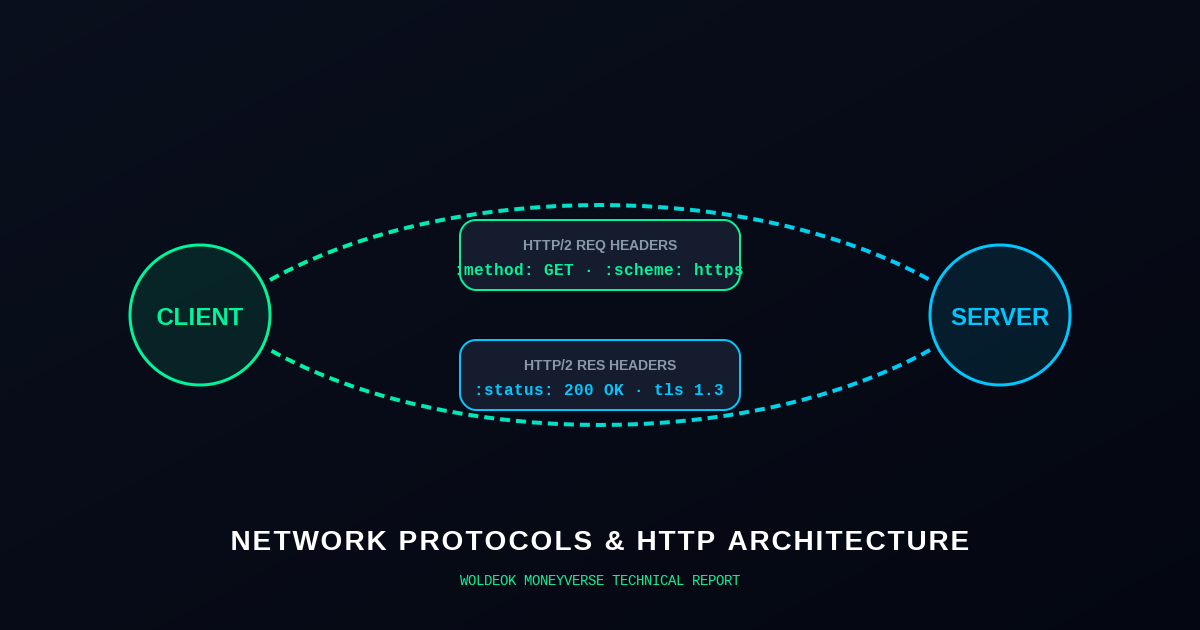
In computer networking, a key term is "protocol," which is a set of rules that governs how devices communicate with each other. For instance, when you browse the internet, your device sends requests to servers using HTTP, a protocol that specifies how data should be sent and received. Anot
Core concepts
In computer networking, a key term is "protocol," which is a set of rules that governs how devices communicate with each other. For instance, when you browse the internet, your device sends requests to servers using HTTP, a protocol that specifies how data should be sent and received. Another important term is "subnet," which is a subset of an IP address network, used to divide a network into smaller segments for better management and security.
The conceptual model of computer networking can be understood as a system where devices communicate through a series of interconnected layers. At the bottom is the Physical Layer, which deals with the physical transmission of data, such as through cables or wireless signals. The Data Link Layer is responsible for establishing and maintaining a connection between devices, ensuring that data is transmitted accurately. The Network Layer handles the routing of data across networks, directing packets to their destination. Finally, the Application Layer includes protocols that allow applications to communicate, such as HTTP for web browsing and FTP for file transfers.
In essence, these layers work together to ensure that data can be transmitted reliably and efficiently from one device to another, regardless of the physical infrastructure used.
How it works
Computer networking mechanisms in the United States are designed to facilitate the exchange of data between different devices and systems. This is achieved through a series of protocols and standards that ensure data can be transmitted accurately and efficiently. At its core, the mechanism operates by breaking down data into packets, which are then transmitted over a network. These packets are then reassembled at their destination, ensuring that the original message is delivered intact. Each packet includes information about its source and destination, as well as error-checking codes to ensure data integrity. This process is crucial for the smooth functioning of internet services, from web browsing to online gaming, where the reliability and speed of data transmission are paramount.
Interacting parts
In computer networking, components interact through protocols and interfaces, ensuring data is transmitted accurately and efficiently. For instance, TCP/IP (Transmission Control Protocol/Internet Protocol) acts as a backbone, defining how data should be broken into packets, routed, and reassembled at the destination. Each packet includes a header that specifies its source and destination, allowing routers and switches to direct the flow of data. Additionally, applications like HTTP (Hypertext Transfer Protocol) facilitate communication between web servers and browsers, enabling web pages to load and interact seamlessly. Security protocols such as SSL/TLS ensure that data transmitted between a client and server is encrypted, safeguarding sensitive information from interception or tampering.
Another critical aspect is the use of firewalls and intrusion detection systems, which act as gatekeepers, filtering traffic based on predefined rules. These systems help maintain network security by blocking unauthorized access attempts and suspicious activities. Furthermore, DNS (Domain Name System) plays a vital role in translating human-readable domain names into IP addresses, which are used by computers to identify each other. This process is essential for routing requests to the correct server and ensuring that users can access websites and services as intended.
Illustrative explanation
When setting up a network at home, you might use a router to connect multiple devices like computers and smartphones. The router acts as a central hub, sending and receiving data between devices and the internet. For example, if you want to stream a movie from your smartphone, your phone sends a request to the internet through the router, which then sends the data back to your phone. This process is managed by the router's firmware, which is essentially software that controls the router's operations.
Another important aspect of home networking is using a firewall. Think of a firewall as a security guard at the front door of your network. It monitors all incoming and outgoing traffic to ensure that only authorized data passes through. For instance, if someone tries to access your network from the internet without your permission, the firewall will block that connection, keeping your network safe from unauthorized access.
In addition to these, using a modem is crucial for connecting to the internet. The modem is like a translator between your router and the internet service provider. It converts the digital signals from your router into signals that can be transmitted over the physical wires or through the air, allowing your devices to connect to the internet. Without a modem, your router wouldn't be able to communicate with the outside world, and you wouldn't be able to browse the web or use other internet services.
Common misconceptions
In computer networking, there are several key terms and concepts that can be misunderstood or confused. For instance, the terms "network" and "internet" are often used interchangeably, but they refer to different things. A network is a collection of interconnected devices, while the internet is a vast network of networks that allows these devices to communicate with each other. Another common confusion is between the terms "protocol" and "standard". A protocol is a set of rules for communication between devices, while a standard is a widely accepted guideline that may or may not be a protocol.
Misunderstandings also arise when discussing security measures. For example, people often confuse "firewalls" with "antivirus software". While both are security tools, they serve different purposes. Firewalls monitor and control incoming and outgoing network traffic based on predetermined security rules, whereas antivirus software is designed to detect, prevent, and remove malicious software.
Understanding these distinctions is crucial for anyone working with computer networks, whether they are setting up home networks, managing corporate networks, or developing software that interacts with networked devices. Misconceptions can lead to ineffective security measures, inefficient network setups, or software that doesn't function as expected.
Official primary source
https://developer.mozilla.org/en-US/docs/Web/HTTP/Guides/CORS/Errors/CORSOriginHeaderNotAdded