分散システムとネットワークセキュリティの基礎概念を学ぶ
Computer networking in Japanese is a complex system that allows devices to communicate with each other over a network. It involves various components and protocols that ensure data can be sent and received accurately. Key terms in computer networking include the client-server model, where
基本概念
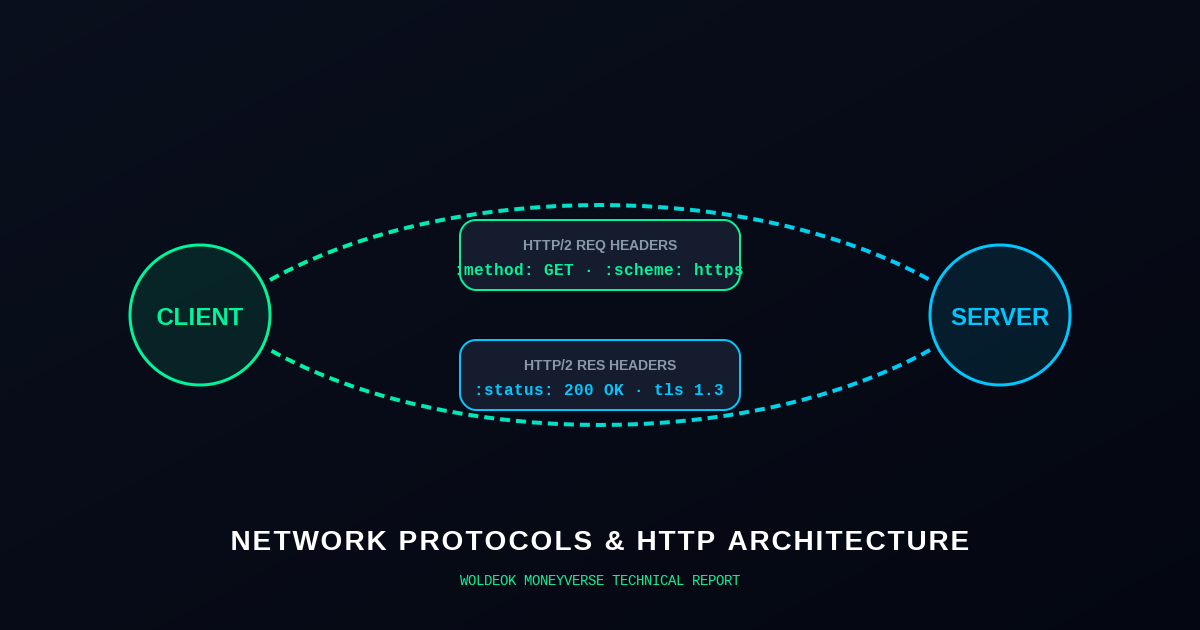
Computer networking in Japanese is a complex system that allows devices to communicate with each other over a network. It involves various components and protocols that ensure data can be sent and received accurately. Key terms in computer networking include the client-server model, where a client requests a service from a server, and the client-server model forms the backbone of many modern applications. Another important term is the domain name system (DNS), which translates human-readable domain names into IP addresses that computers can understand.
The underlying conceptual model of computer networking is based on the OSI (Open Systems Interconnection) model, which divides network communication into seven layers. Each layer has a specific function, from the physical layer, which deals with the transmission of raw bits over a physical medium, to the application layer, which handles the user interface and application-specific tasks. This model helps in understanding how data travels from one device to another, ensuring that information is transmitted correctly and efficiently.
動作原理
コンピュータネットワークのメカニズムは、さまざまなデバイス間でデータを効率的にやりとりするための仕組みです。このメカニズムは、ネットワーク接続を確立し、データを送受信する方法を定義します。基本的には、ネットワークはデータを送信元から受信元へと移動させるためのルートを提供します。このルートは、ネットワークの各部分がデータをどのように転送するかを決定します。例えば、インターネットでは、IPアドレスを使用してデバイスを識別し、そのデバイスがどのネットワークに接続しているかを特定します。さらに、データは、そのネットワークの各部分が指定されたルートを経由して送信されます。このように、コンピュータネットワークのメカニズムは、ネットワーク接続を確立し、データの安全なやりとりを可能にします。
構成要素の関係
In computer networking, the interaction between different components is crucial for the smooth functioning of systems. For instance, the HTTP protocol serves as a fundamental component, enabling communication between web servers and browsers. It acts as a bridge, facilitating the exchange of data between these entities. Another key component is the DNS (Domain Name System), which translates human-readable domain names into IP addresses that computers use to communicate. This ensures that browsers can connect to the correct server hosting the website. Additionally, the TCP (Transmission Control Protocol) plays a vital role by ensuring reliable data transmission over the network. It manages the flow of data between devices, ensuring that packets are delivered in the correct order and without loss. Lastly, the HTML (Hypertext Markup Language) is used to structure content on web pages, and CSS (Cascading Style Sheets) is used to style and layout this content, both of which are essential for the visual presentation and user interface of websites.
具体的な理解
Computer networks are like a vast interconnected system of roads, where data travels from one place to another. Just as cars need roads to travel, data packets need a network to move from a sender to a receiver. Imagine a network as a highway where cars (data packets) can travel from one city (source) to another city (destination). Each city or city block (which we can think of as a device or server) has its own address, just like how you have a house number. When a car (data packet) needs to travel from one city to another, it uses a map (routing information) to find the best path. This map is like the network's routing table, which helps the data packets find the quickest and most efficient route to their destination.
よくある誤解
In computer networking, there are several key concepts that can be confusing for beginners. One such concept is the difference between a network and the internet. A network is a collection of devices connected by communication lines, which can be as small as a single building or as large as a city. In contrast, the internet is a vast network of networks, connecting billions of devices worldwide. Another common misunderstanding is the difference between a wired and wireless network. Wired networks use physical cables to connect devices, while wireless networks use radio waves to transmit data without physical connections. A third area of confusion is between local area networks (LANs) and wide area networks (WANs). LANs are typically used within a single building or campus, while WANs cover a much larger geographical area, often spanning multiple cities or countries. Lastly, the concept of network protocols, such as TCP/IP, is crucial for understanding how devices communicate on a network. These protocols define the rules and standards for data transmission, ensuring that messages can be understood and processed correctly by all devices involved.
Official primary source
https://developer.mozilla.org/ja/docs/Web/HTTP/Guides/CORS/Errors/CORSOriginHeaderNotAdded