インターネットパケットルーティングと通信インフラの構造解説
Computer networking in Japanese can be understood as a system that allows devices to communicate with each other, whether they are computers, smartphones, or other electronic devices. This system is built on a conceptual model that includes various components such as servers, routers, and
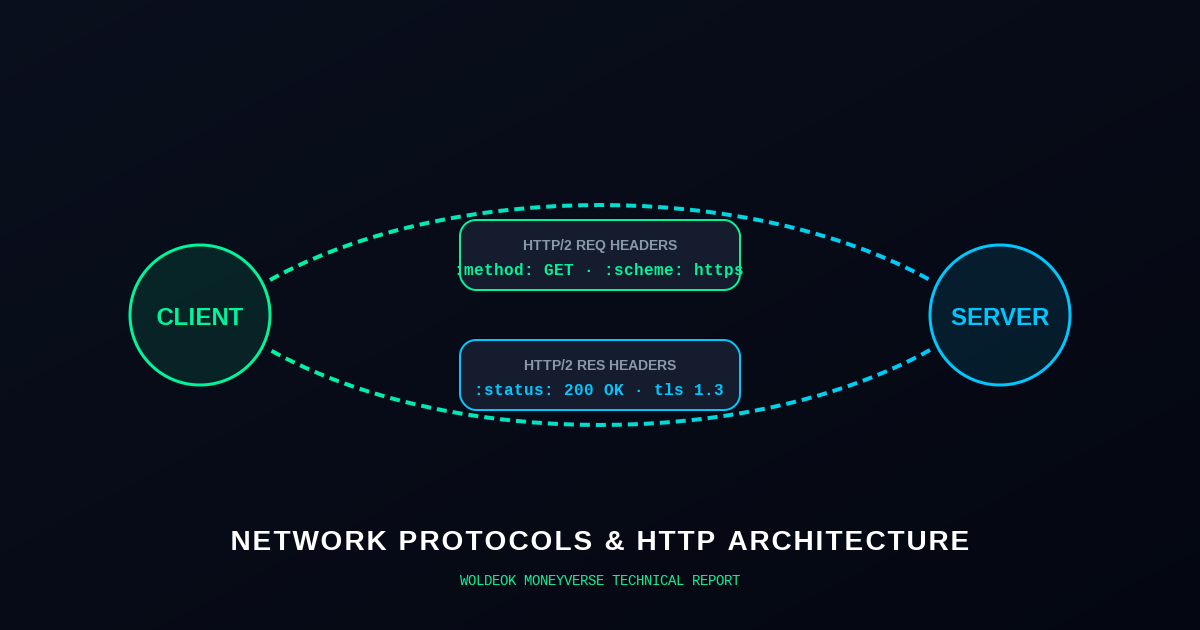
基本概念
Computer networking in Japanese can be understood as a system that allows devices to communicate with each other, whether they are computers, smartphones, or other electronic devices. This system is built on a conceptual model that includes various components such as servers, routers, and clients. Each component has a specific role in the network, with servers providing services, routers directing traffic, and clients requesting services. The underlying conceptual model of computer networking is based on the client-server model, where clients are the users or devices that request services, and servers are the resources that provide these services. Another crucial concept is the concept of layers, which is a hierarchical structure that divides the network into different layers, each responsible for a specific function, such as the physical layer for hardware connections, the data link layer for communication between devices, and the network layer for routing data across networks.
Understanding computer networking also involves the concept of protocols, which are the rules and agreements that devices use to communicate. Protocols ensure that messages are sent and received correctly, regardless of the underlying hardware or software. For instance, TCP (Transmission Control Protocol) and UDP (User Datagram Protocol) are two common protocols used for data transmission. TCP ensures that data is sent in a reliable and ordered manner, while UDP is faster but less reliable. By mastering these key terms and concepts, one can better comprehend how computer networks function and how to use them effectively.
動作原理
Computer networking in computer systems is designed to facilitate the exchange of data between different devices, ensuring that information can be transmitted and received accurately and efficiently. One fundamental mechanism in this system is the Transmission Control Protocol/Internet Protocol (TCP/IP), which is responsible for routing data packets between devices. Each device, known as a node, sends data in the form of packets, which are then routed through the network, ensuring they reach their intended destination. TCP/IP ensures that data packets are not only delivered but also arrive in the correct sequence, maintaining the integrity of the transmitted information. This mechanism is crucial for the smooth operation of computer networks, enabling diverse devices to communicate seamlessly, whether it's for internet browsing, file sharing, or any other online activity.
構成要素の関係
在计算机网络的架构中,HTML和CSS扮演着关键角色。HTML用于构建网页内容,通过定义文档结构和内容,而CSS则负责美化这些结构,通过样式表来控制文本、图像、颜色和布局。例如,HTML中的一个 <div> 元素可以用来定义一个网页中的一个区域,而CSS则可以用来设置这个区域的背景颜色、边距和字体大小。此外,JavaScript作为编程语言,与HTML和CSS紧密协作,通过添加交互性,使网页响应用户操作,比如点击按钮时显示信息或改变页面内容。因此,HTML、CSS和JavaScript三者相互协作,共同构建一个功能齐全且美观的网页界面。 在计算机网络中,网络协议是不同组件之间通信的基础。例如,HTTP协议用于网页的传输,它定义了浏览器和服务器之间如何发送和接收数据。每个组件,如浏览器、服务器和数据库,都有其特定的协议来处理数据的接收与发送。浏览器使用HTTP协议从服务器获取HTML文档,然后解析这些文档以显示网页。服务器则使用HTTP协议发送HTML、CSS和JavaScript文件,这些文件被浏览器下载并应用样式和行为。数据库则通过特定的协议,如SQL,与服务器进行交互,以存储和检索数据。因此,网络协议确保了所有这些组件能够协同工作,实现一个完整的网络应用。
具体的な理解
Computer networks are like a vast web of roads connecting different places. Just as roads help vehicles travel from one place to another, computer networks allow information to travel from one computer to another. Imagine a network as a series of interconnected pathways, where each pathway is a communication link between two devices. These pathways can be thought of as cables, wires, or even wireless signals that carry data from one end to another. Each pathway has its own speed and capacity, just like how some roads are faster than others. This network helps people and computers communicate and share information, whether it's sending emails, playing games, or streaming videos.
よくある誤解
在日語中,電腦網路的重要差異與常見的誤解可以這樣解釋:首先,「網路」在技術上是指連接多個電腦的通信架構,而「ネット」則更多是指我們日常使用的網路服務,比如網際網路。因此,網路技術涉及的是電腦間的通信協議,如TCP/IP,而網際網路則是這些協議的集合,連接著全球的電腦系統。其次,「防火牆」這個概念在日語中常被誤解為一種物理上的牆壁,實際上,它是一種電腦安全設施,用於控制流入和流出電腦網絡的資料流量,保護內部網路不受外部威脅。再者,「虛擬私有網路」(Virtual Private Network, VPN)常被誤認為是通過網路進行私人通信的工具,但它實際上是一種技術,允許用戶通過公用網路建立一個安全的私密連接,保護數據在傳輸過程中的安全性。最後,「雲端」在技術上是指遠端的計算資源,通過網路存取,用戶可以存儲和訪問資料,這與我們日常生活中對雲端的理解不同,它並非一個物理上的雲,而是數字化的存儲和計算服務。
応用と限界
Computer networking in Japanese computer systems allows for the seamless sharing of resources and information across different devices and locations. This technology enables users to access files, applications, and services from anywhere, provided they have an internet connection. However, there are limitations to this system. One significant limitation is the potential for security breaches, as sensitive data can be intercepted or accessed by unauthorized users. Another limitation is the variability in network speeds and reliability, which can affect the performance and responsiveness of applications. Lastly, the complexity of managing and maintaining a robust network can be challenging, requiring specialized knowledge and resources.
Computer networking also facilitates the creation of virtual environments, where users can interact with applications as if they were in the same physical space. This can be particularly useful for collaborative work environments, where team members can share documents, collaborate on projects, and communicate in real-time. However, these benefits come with the challenge of ensuring that all participants have equal access and that the data shared is secure and accurate.
関連する原理
コンピュータネットワークの基本原理とつながる要素を理解するためには、HTMLやCSSといったウェブ開発の基本的な技術が重要です。HTMLはウェブページの構造を定義し、CSSはその見た目を調整します。これらはウェブページの基本的な構造と表示を管理するためのツールであり、コンピュータネットワークの基本原理と密接に関連しています。例えば、HTMLのセクションやリスト要素はウェブページの構造を示し、CSSのスタイルセレクターやプロパティはその表示を制御します。これにより、ウェブページがどのように表示されるかを制御し、ユーザーがどのようにウェブサイトを操作するかを制御します。また、これらの技術はウェブページのパフォーマンスを向上させるためにも使用されます。パフォーマンスはウェブページがどのように迅速に動作するかを意味し、これはウェブページがネットワークにどのように迅速にアクセスできるかと密接に関連しています。 ウェブページのパフォーマンスを向上させるためには、ウェブ開発者が必要とする情報やコンテンツを効率的に提供する方法を理解することが重要です。これには、ウェブページの構造と表示を効果的に管理するための技術が含まれます。例えば、HTMLのセクションやリスト要素はウェブページの構造を示し、CSSのスタイルセレクターやプロパティはその表示を制御します。
Official primary source
https://developer.mozilla.org/ja/docs/Web/HTTP/Guides/CORS/Errors/CORSOriginHeaderNotAdded