The flow of money and systematic operations of modern financial systems
In basic economics, the Federal Reserve plays a crucial role as the central bank, aiming to ensure a stable monetary system. It acts as a financial intermediary, managing the money supply and influencing interest rates to support economic growth and stability. The Fed's actions, such as bu
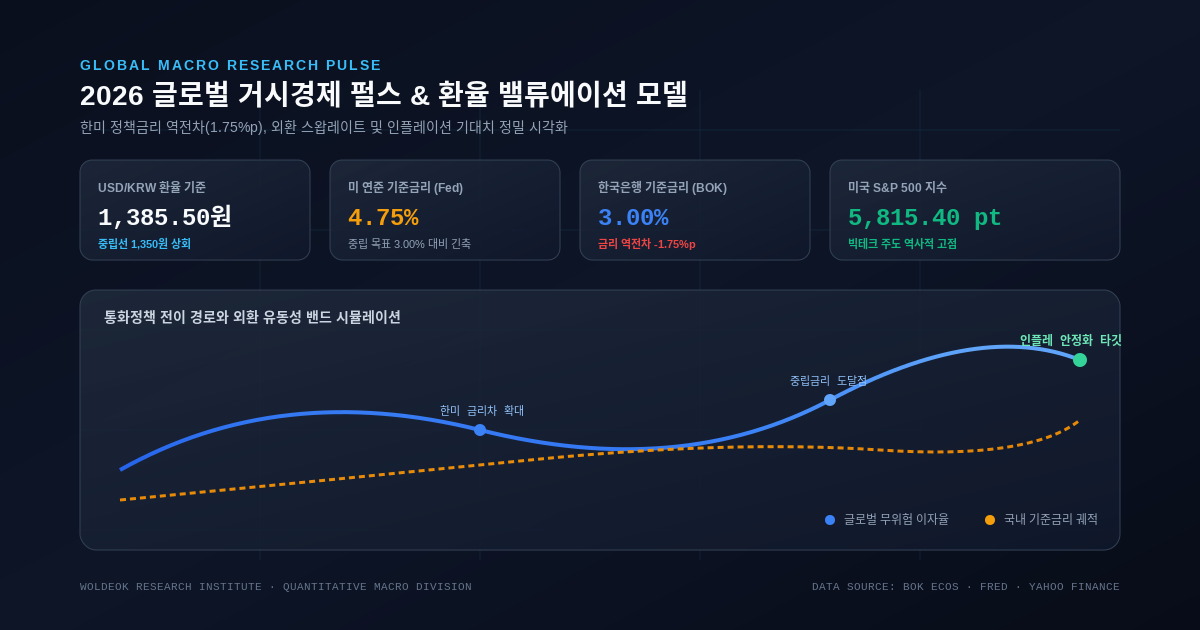
Core concepts
In basic economics, the Federal Reserve plays a crucial role as the central bank, aiming to ensure a stable monetary system. It acts as a financial intermediary, managing the money supply and influencing interest rates to support economic growth and stability. The Fed's actions, such as buying or selling government securities, directly impact the money supply, which in turn affects borrowing costs for businesses and individuals. By adjusting these rates, the Fed can either stimulate economic activity by lowering rates or slow it down by raising rates, thereby controlling inflation and managing economic cycles.
Conceptually, the basic economic model revolves around the interaction between supply and demand. Supply refers to the total amount of a good or service that producers are willing to offer at various prices, while demand represents the total amount of a good or service that consumers are willing to purchase at various prices. The equilibrium price and quantity occur where supply meets demand. Economic agents like businesses and consumers make decisions based on their own supply and demand curves, which are influenced by factors such as income levels, expectations, and prices of related goods. This model helps explain how changes in these factors can lead to shifts in supply and demand curves, affecting market prices and overall economic activity.
How it works
In basic economics, the Federal Reserve, often referred to as the "Fed," plays a crucial role in managing the nation's monetary policy. Its primary purpose is to ensure stable prices, full employment, and moderate long-term interest rates. The Fed achieves this by adjusting the money supply through various tools such as setting interest rate targets and buying/selling government securities. These actions influence borrowing costs and the amount of money in circulation, thereby affecting consumer spending and business investment. For instance, when the Fed wants to stimulate the economy, it might lower interest rates, making borrowing cheaper and encouraging spending and investment. Conversely, to combat inflation, the Fed might raise interest rates, making borrowing more expensive and reducing demand, which can help keep prices in check. Essentially, the Fed acts as a financial conductor, ensuring the economy dances to a steady beat, balancing growth with stability.
Interacting parts
In the US economy, the Federal Reserve plays a pivotal role in managing monetary policy, which influences how banks lend money and how interest rates are set. When the Federal Reserve decides to lower interest rates, it makes borrowing cheaper, encouraging businesses and consumers to spend and invest more. This, in turn, stimulates economic growth and can lead to increased employment and higher incomes. Conversely, when the Federal Reserve raises interest rates, it makes borrowing more expensive, which can slow down spending and investment, potentially leading to a recession if not managed carefully.
The Federal Reserve also acts as a lender of last resort to banks, providing them with the funds they need to maintain their liquidity and ensure they can meet depositors' withdrawal demands. This role is crucial because banks are the backbone of the financial system, and their stability is vital for the overall health of the economy. When banks are financially stable, they can continue to offer loans, which is essential for businesses to expand and for individuals to purchase homes, cars, and other goods, thereby driving economic activity.
Together, these functions of the Federal Reserve, along with the actions of banks and other financial institutions, form the core of how monetary policy interacts with other economic components to influence the health and growth of the US economy.
Illustrative explanation
The Federal Reserve, known for its role in managing the nation's monetary policy, recently announced the termination of enforcement actions against two financial institutions, Gardner Bancshares, Inc., and Small Business Bank. This decision signifies a shift in the Federal Reserve's stance, indicating a reduction in regulatory oversight for these banks. Such actions often reflect a reassessment of the banks' performance and compliance with financial regulations, suggesting a move towards more lenient oversight when institutions are deemed to be operating within acceptable standards.
The Federal Reserve's decision to lift these enforcement actions underscores its commitment to fostering a stable financial environment. It's a signal that these banks have demonstrated the ability to manage their operations responsibly and in accordance with established guidelines. This move could potentially reduce the financial burden on these institutions, allowing them to allocate more resources towards lending and supporting local economies.
Common misconceptions
In basic economics, there are several important distinctions and common misunderstandings that can lead to confusion. One such distinction is between demand and supply. Demand refers to the quantity of a good or service that consumers are willing and able to purchase at various prices, while supply is the quantity that producers are willing to offer at different prices. Another key concept is scarcity versus abundance. Scarcity implies limited resources, often leading to competition and price fluctuations, whereas abundance suggests plentiful resources, which can result in lower prices and less competition. A common misunderstanding is the belief that inflation is always bad, when in fact, it can be beneficial in certain economic situations, such as when it leads to wage increases that keep up with rising prices, thereby maintaining purchasing power. Lastly, the idea of opportunity cost is often overlooked. Opportunity cost represents the value of the next best alternative given up when making a choice. Understanding these concepts can help clarify many economic issues and decisions.
Official primary source
https://www.federalreserve.gov/newsevents/pressreleases/enforcement20261016a.htm
이 글과 함께 활용하면 좋은 머니버스 핵심 도구
300+개 도구 전체보기글에서 본 금융 전략, 머니버스에서 무료 10,000 WLD로 실전 검증해 보세요!
월덕 머니버스는 실시간 가상 주식 거래소, 복리 정기예금, 그리고 300+개 정밀 금융 계산기가 완비된 가상 경제 시뮬레이션 플랫폼입니다. 지금 가입 즉시 정착 지원금과 1등 당첨 복권을 드립니다.