Analyzing central banking mechanisms and national financial architectures
In basic economics, the Federal Reserve Board acts as the central bank, which is crucial for managing the nation's monetary and financial system. It operates to ensure stability and flexibility in the economy, which means it works to keep the value of money stable and to adjust the money s
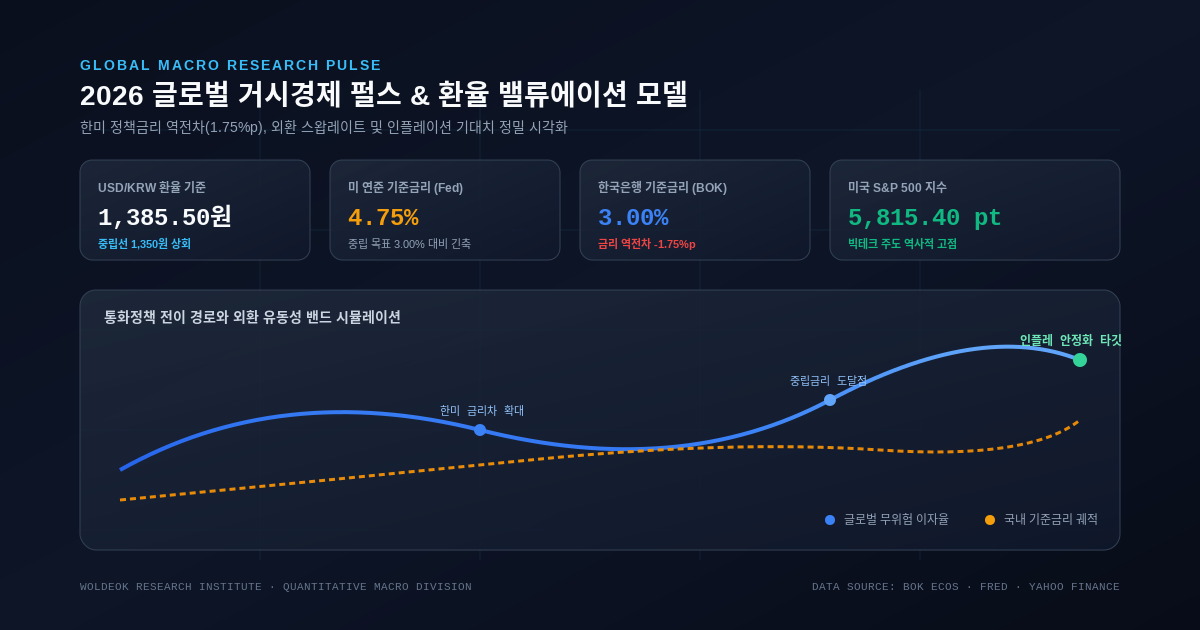
Core concepts
In basic economics, the Federal Reserve Board acts as the central bank, which is crucial for managing the nation's monetary and financial system. It operates to ensure stability and flexibility in the economy, which means it works to keep the value of money stable and to adjust the money supply to manage inflation and unemployment. The central bank uses various tools to influence the economy, such as setting interest rates and conducting open market operations, which are transactions where the Fed buys and sells government securities to control the money supply. This system is based on the conceptual model of supply and demand, where the Fed acts as a regulator, ensuring that the economy's supply of money and credit is balanced to meet the demand for these resources, thereby maintaining economic stability.
The Federal Reserve Board's actions are guided by the Federal Open Market Committee (FOMC), which is responsible for setting monetary policy. The FOMC considers factors such as inflation, unemployment, and economic growth when deciding on interest rate adjustments and other monetary policies. This committee operates under the principle that controlling the money supply can influence spending and investment, which in turn affects inflation and economic growth. Thus, the Fed's role is to balance these factors to maintain a healthy economy, ensuring that the economy neither overheats with too much inflation nor stagnates with too much unemployment.
How it works
The Federal Reserve, or the central bank of the United States, operates with the primary goal of maintaining a stable economy. Its main mechanism for achieving this is through monetary policy, which involves adjusting interest rates and the money supply to influence economic conditions. When the economy is sluggish, the Federal Reserve might lower interest rates to encourage borrowing and spending, thereby stimulating economic activity. Conversely, if inflation is a concern, the Fed may raise interest rates to reduce spending and slow down economic growth. This mechanism works by influencing how much money banks are willing to lend out, which in turn affects how much consumers and businesses can borrow and spend. By managing these factors, the Federal Reserve aims to keep the economy in a healthy state, promoting growth without causing excessive inflation or recession.
The Federal Reserve also plays a crucial role in managing the nation's money supply. It does this by purchasing and selling government securities, which impacts the amount of money banks have available to lend. When the Fed buys securities, it injects money into the economy, which can lead to increased lending and spending. Conversely, when the Fed sells securities, it reduces the money supply, which can help control inflation by making it harder for businesses and consumers to obtain loans. This mechanism is fundamental to the Federal Reserve's ability to manage the economy and maintain stability.
Interacting parts
The Federal Reserve, a crucial component of the US economy, operates as the central bank, tasked with maintaining a stable monetary system. It sets interest rates and manages the money supply to ensure economic stability. The Federal Reserve Board, part of the Federal Reserve System, approves applications from international banks like The Bank of Nova Scotia, ensuring compliance with US financial regulations. This approval process is essential for maintaining the integrity of the financial system and facilitating international banking operations. Banks like The Bank of Nova Scotia, which operates within the US, are required to adhere to stringent regulations to ensure they do not pose a risk to the overall financial health of the country.
The Federal Reserve's influence extends beyond its regulatory role. It also plays a significant role in setting monetary policy, which includes controlling the money supply and interest rates. When the economy is experiencing inflation, the Federal Reserve might raise interest rates to reduce spending and slow down the economy. Conversely, during a recession, it might lower interest rates to encourage borrowing and spending, which can stimulate economic growth. These actions are designed to keep the economy balanced and stable, ensuring that businesses and individuals have access to the funds they need to operate and invest.
Illustrative explanation
The Federal Reserve Board recently approved an application from The Bank of Nova Scotia, ensuring that international financial institutions have a secure place within the US monetary system. This approval underscores the Federal Reserve's role in maintaining a robust and reliable financial infrastructure, crucial for both domestic and international commerce. By allowing foreign banks to operate within the US, the Federal Reserve supports economic growth and stability, facilitating transactions and investments that contribute to the overall health of the economy.
In this context, the Federal Reserve Board acts as a pivotal regulatory body, overseeing the stability and efficiency of the financial sector. Its decisions, such as approving applications from foreign banks, are essential for maintaining a balanced and interconnected global economy. By approving such applications, the Federal Reserve ensures that the US financial system remains open and accessible to international partners, fostering a stronger economic environment for all stakeholders involved.
Common misconceptions
When discussing basic economics, one common misunderstanding is conflating supply and demand with scarcity. Supply and demand are fundamental concepts in economics that describe how prices are determined in markets. They refer to the quantity of goods or services that producers are willing to supply at various prices and the quantity that consumers are willing to buy at various prices. Scarcity, on the other hand, is the condition where the quantity of goods or services available is less than the quantity desired. While supply and demand are dynamic forces that can shift based on various factors, scarcity is a more absolute condition that exists independently of supply and demand. Another important distinction is between inflation and deflation. Inflation is a sustained increase in the general price level of goods and services, which reduces the purchasing power of money. Deflation is the opposite, a sustained decrease in the general price level of goods and services. This can lead to economic difficulties as consumers and businesses might delay spending or investing due to the expectation of further price reductions. Lastly, it's crucial to distinguish between economic growth and economic expansion. Economic growth typically refers to an increase in the productive capacity of an economy, often measured by the increase in real GDP over time. Economic expansion, on the other hand, is a period of growth and prosperity, often characterized by rising employment, rising incomes, and increasing production. Both terms are related but describe different aspects of economic performance.
Official primary source
https://www.federalreserve.gov/newsevents/pressreleases/orders20261029a.htm
이 글과 함께 활용하면 좋은 머니버스 핵심 도구
300+개 도구 전체보기글에서 본 금융 전략, 머니버스에서 무료 10,000 WLD로 실전 검증해 보세요!
월덕 머니버스는 실시간 가상 주식 거래소, 복리 정기예금, 그리고 300+개 정밀 금융 계산기가 완비된 가상 경제 시뮬레이션 플랫폼입니다. 지금 가입 즉시 정착 지원금과 1등 당첨 복권을 드립니다.